The evidence layer is empty: notes from the NYU fiduciary AI workshop
The duty stays with a human or a company, not the AI.
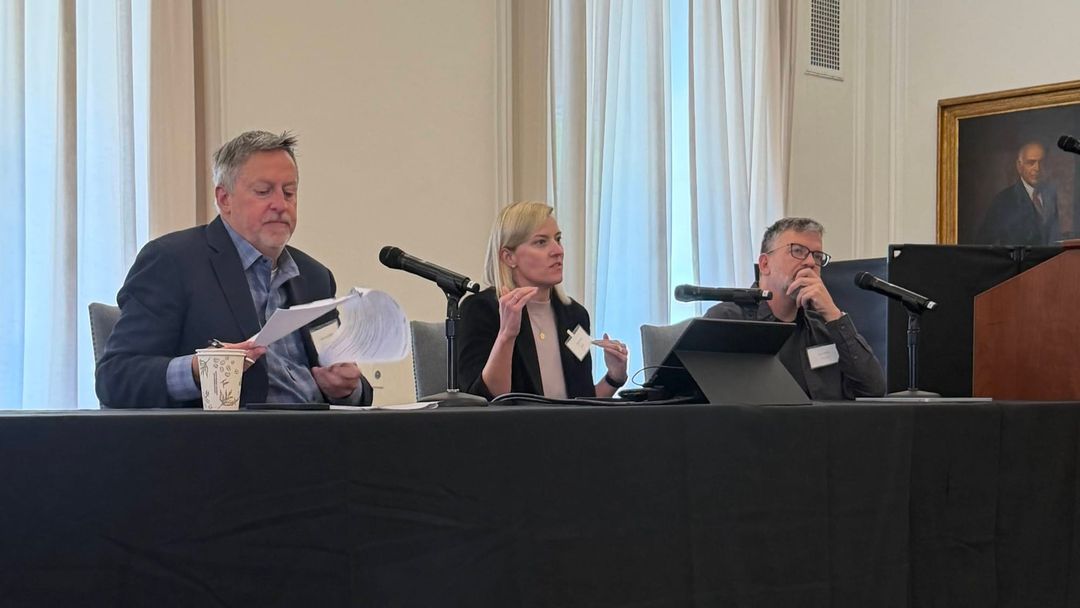
I spent two days at NYU Law with a group working through what fiduciary duty means for AI that acts on someone's behalf. Mostly legal scholars, a few engineers with running prototypes, consumer advocates from the GliaNet coalition, and the Future of Life Foundation.
There was real agreement on the definition. A fiduciary duty for AI is loyalty plus care. The duty stays with a human or a company, not the AI. And it only matters if you can prove it was met.
The proof is where the work thins out. The standard itself is well developed. The layer that would evidence it, what an agent did, on whose authority, and against what it was instructed to do, is mostly unbuilt. When the full stack went up in the closing synthesis, every layer had people building into it except that one. It held a couple of research prototypes.
The hard part of that layer is independence. The party that produces the record has to be separate from the party that did the work. An AI attesting to its own agent has the same problem as a firm auditing its own books, and a self-issued receipt gets discounted by any court or regulator that reads it. That constraint narrows the field of who can credibly build it.
A standards effort is forming out of the workshop. The reference format will be set by whoever brings drafted language to the table. If you're working on the evidence or attestation side of agent governance, I'd value comparing notes.