Agency law already reaches AI agents
Before inventing new law for AI agents, look at the law we built for anyone who acts on someone else's behalf.
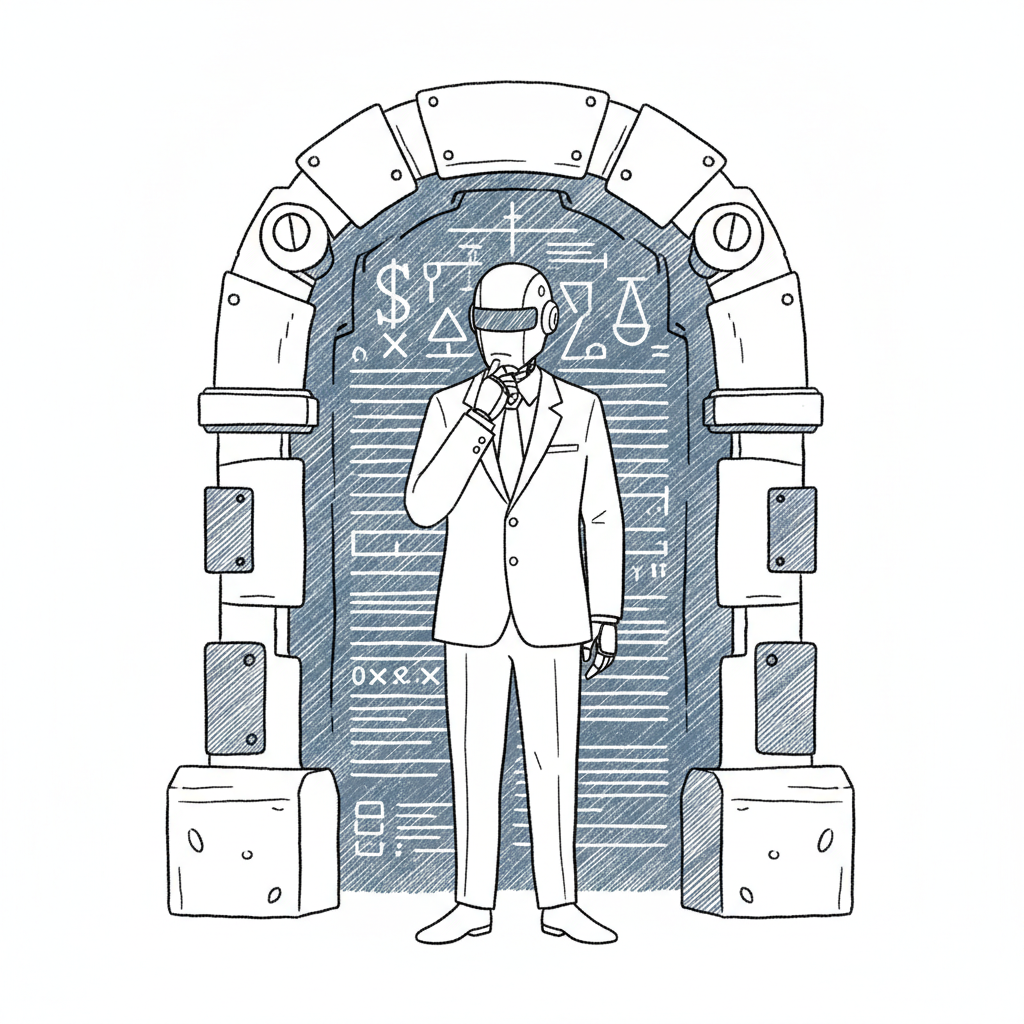
Mark Riedl and Deven Desai, both at Georgia Tech, wrote a paper called "AI Agents and the Law." It reads agent behavior through agency law, the body of rules that already governs what someone acting on your behalf can and cannot do.
Computer science and law both wrestle with the same problem: an agent that's under-specified, told what to do but not everything it shouldn't. The paper maps the two vocabularies onto each other, matching implied authority in agency law to value alignment in AI. Then it names where the machine side falls short. Loyalty, disclosure, and the duties an agent owes the third parties it deals with are central to agency law and thin in how we build agents now. That gap, the authors argue, is where AI commerce runs into trouble.
When an agent does something we didn't intend, the reflex is to write new law, or to debate whether the software counts as a legal person. Reaching for the law we already have is the better move. It was built for one party acting for another, and it names the obligations that matter. The catch is that naming an obligation isn't meeting it. An AI agent can be aligned to a goal and still owe no one an account of what it did. That part is still unbuilt.