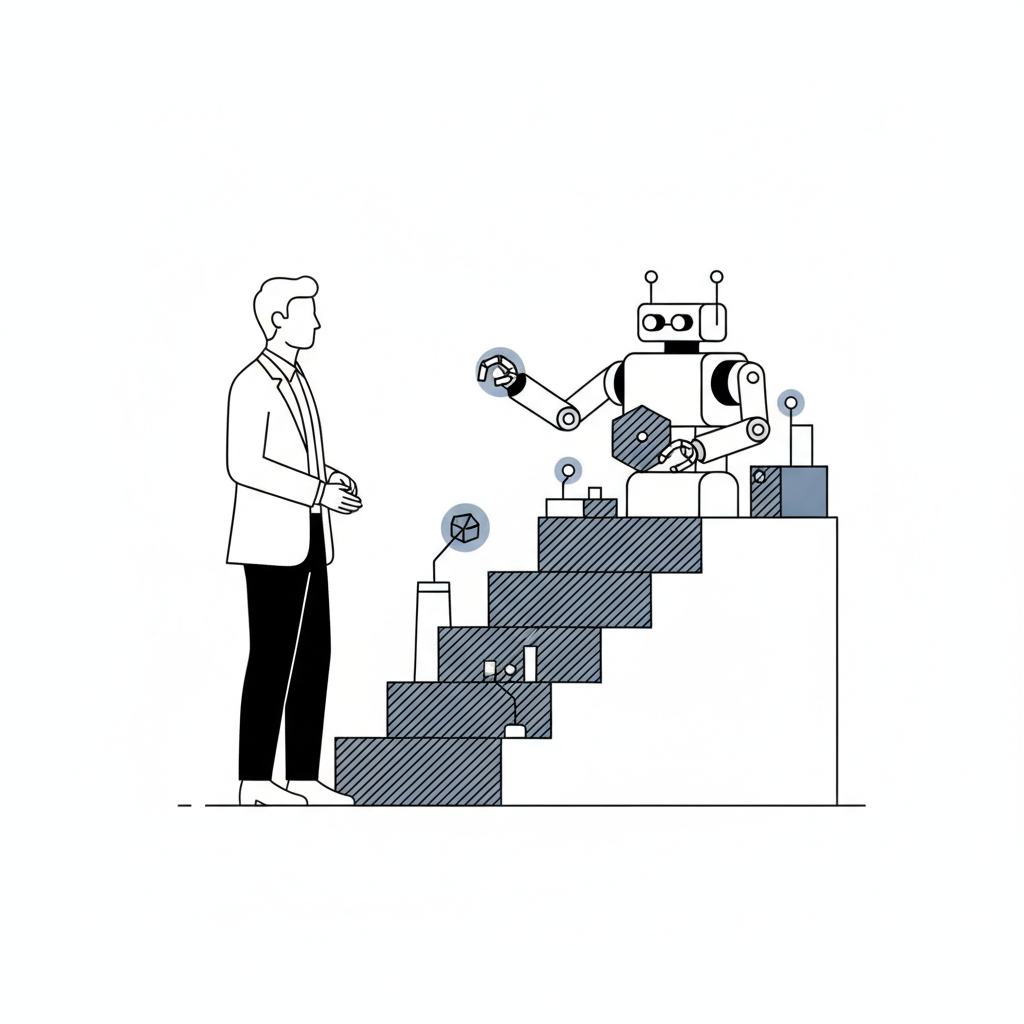
The story we tell about AI and skill is a pipeline story. Machines take the junior work, juniors stop learning on it, and in a decade nobody knows how.
But, two professions have already run this experiment.
Aviation found that recent hands-on practice predicts flying skill better than total hours or years since training, which means a logbook stops tracking capability. It responded by mandating unaided practice on a schedule. Skill is treated as perishable, and maintaining it goes on the calendar.
Medicine turned entrustment into a recorded decision. A named supervisor signs that a named trainee may perform a named activity at a named level of independence, and that level steps down as autonomy is earned. Medicine wrote down what law does by feel.
Law may not self-correct the way aviation did, because of timing. Aviation errors surface in seconds and attach to an incident. A legal failure surfaces years later as a cohort that can approve work it could not produce, with nothing to point at.
Law will not follow medicine either, and for a different reason. Medicine could see this happening. A study last year followed experienced endoscopists working without AI and found their unaided detection rate had fallen after a stretch of working alongside it. These were specialists deep into their careers, so the loss landed on people who had already learned. That result exists because medicine can measure one practitioner's performance across a population and pool it. The reasoning a lawyer would need measured is privileged, sits inside one client's matter, and cannot legally leave the building. Law will not produce its own version of that study, which means it will not get the evidence that made medicine look.
We will need our path.