The Trust Infrastructure Agents Need to Pay Each Other
When agents pay each other, identity and settlement are the easy part. Accountability is the question blockchain surfaces and leaves open.
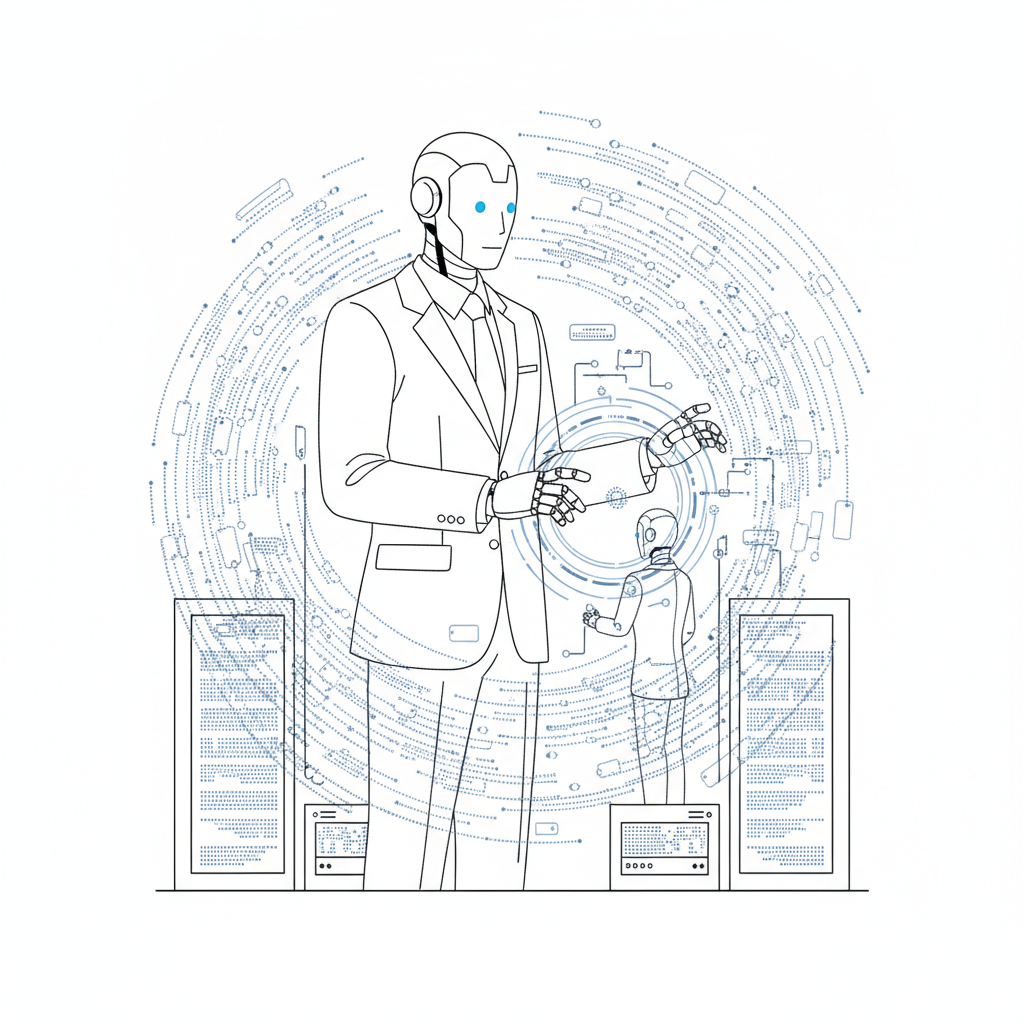
A paper from Hui Gong maps out the infrastructure AI agents would need to pay each other. It reads as a survey of the machinery: identity registries, reputation systems, verifiable outputs, and settlement rails for a world where software agents transact without a person clicking approve at each step.
Gong's point is that the plumbing we have for people paying people, or people paying machines, was never designed for agents paying agents. The proposed fix leans on blockchain identity and programmable settlement to leave a verifiable trail, and on what Gong calls bounded autonomy: drawing a line around which economic actions an agent can safely take on its own, while keeping the market transparent and accountable.
The registries and audit trails answer a technical question, which is whether the transaction happened and who signed for it. The harder question stays open. When an agent settles a deal, no legal principal is standing in the loop at the moment value moves, and when the agent gets it wrong, someone still has to be accountable. A verifiable identity for an agent still needs a legal person behind it, and that is the part the technical stack leaves to lawyers. Blockchain surfaces the accountability gap. The market still has to decide who fills it.