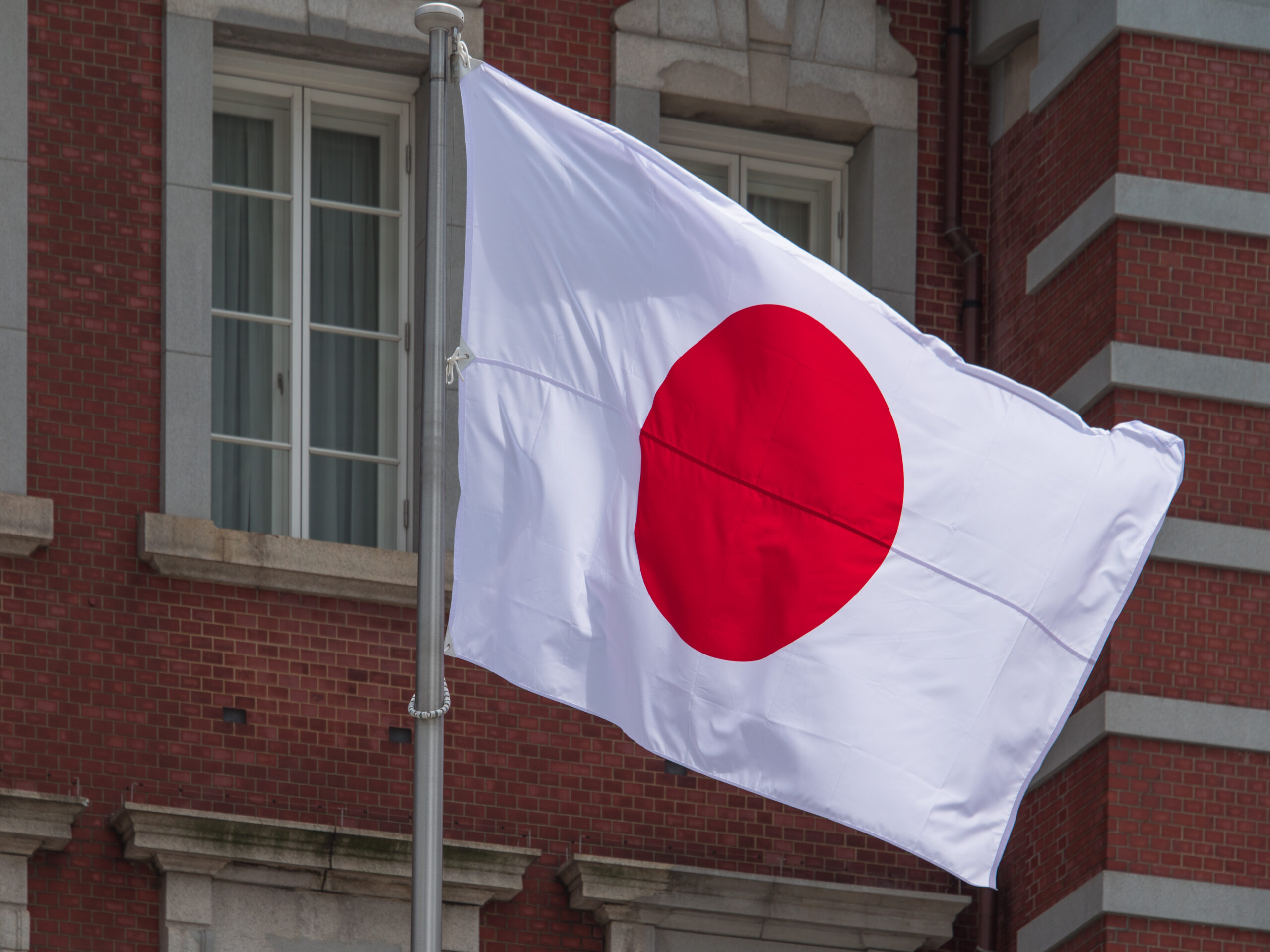
Japan's new AI law skips penalties in favor of public shaming
Japan enacted its AI Promotion Act with no penalties and no strict compliance—just a request that companies "endeavor to cooperate" and the threat of public shaming. It's a deliberate bet on regulatory minimalism to boost lagging AI investment.

Japan enacted its AI Promotion Act in May 2025, taking effect in June. It takes the opposite approach from the EU. The Future of Privacy Forum breaks down what makes this law unusual: no penalties, no strict compliance requirements, just a request that companies "endeavor to cooperate" with government guidance. The enforcement mechanism? Public disclosure of companies that cause rights violations—what Japan calls "name and shame."
This comes from a specific problem. Japan ranks 12th globally in AI investment, far behind the US, China, and the UK. The government's explicit goal is to become the world's "most AI-friendly country" by creating regulatory breathing room. The law establishes an AI Strategy Headquarters led by the Prime Minister to coordinate policy, but it's structured as a "fundamental law" setting principles rather than detailed rules.
For legal and product teams, this creates fragmented compliance requirements. The EU demands detailed ex-ante compliance with fines up to 7% of global revenue. Korea takes a middle path with targeted obligations for "high-impact" systems. Japan asks for cooperation and threatens reputation damage. Same tech, three different regulatory bets on what drives responsible development.
 About Dominic