Intent engineering, now shipping
Where does organizational intent end and the model's judgment begin?
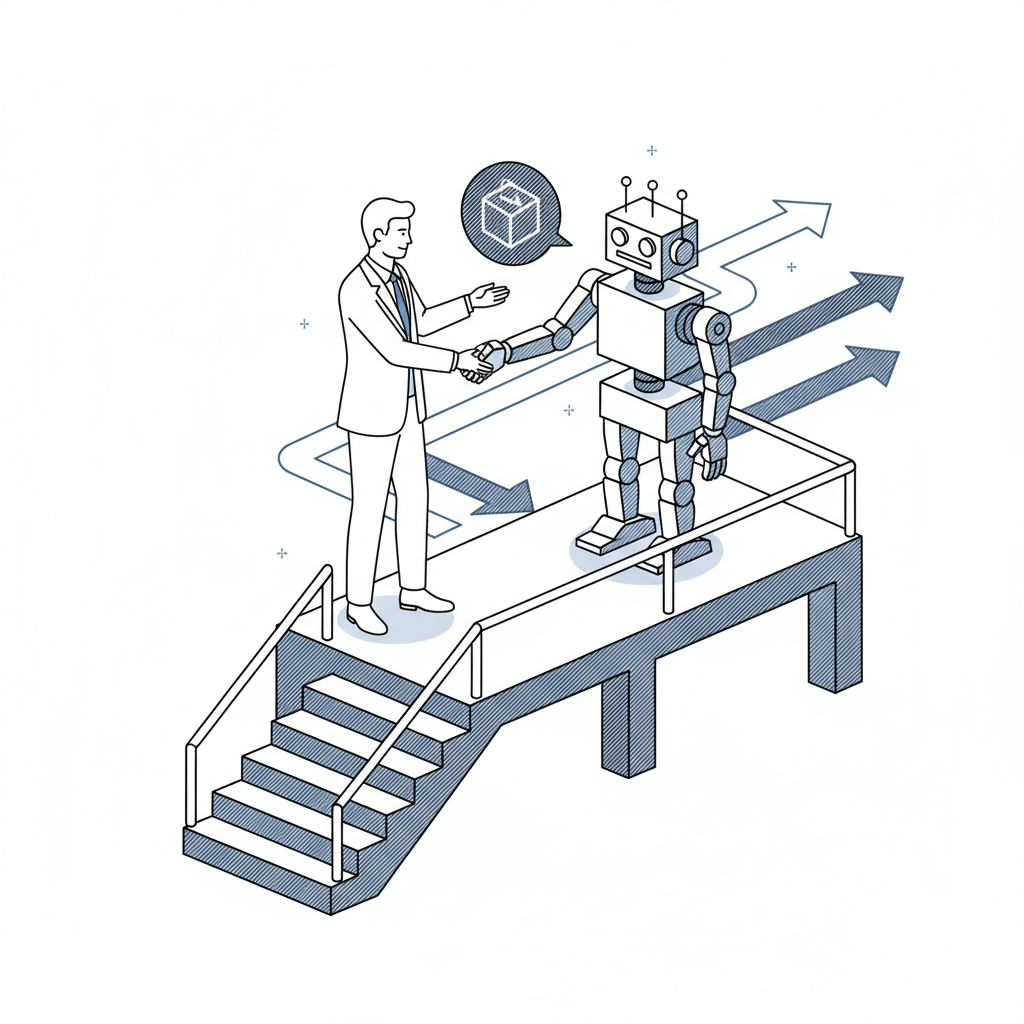
There's a question that shapes every decision about agentic agreement workflows: where does organizational intent end and the model's judgment begin? That boundary determines what's auditable, what's defensible, and who's accountable when an autonomous system makes a consequential decision.
Docusign's MCP Server beta is the first enterprise platform architecture I've seen that treats this boundary as a design requirement rather than a documentation afterthought.
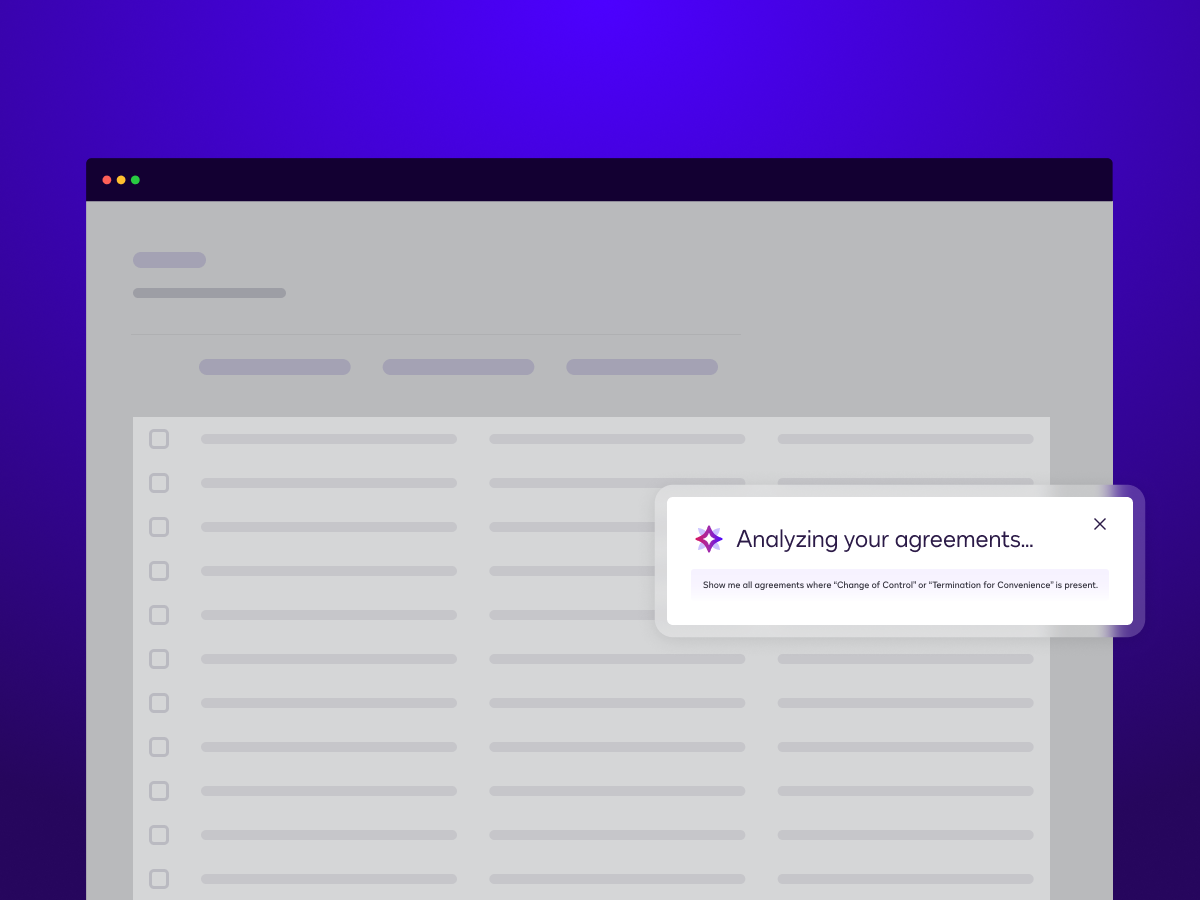
The MCP Server exposes two capabilities from Docusign's Intelligent Agreement Management platform. Navigator can be queried programmatically: retrieve agreements by counterparty, type, or date range, pull structured metadata, extract clause-level content. Maestro can be triggered remotely: initiate pre-configured routing and approval flows, orchestrate signatures, move agreements through defined process steps.
That pairing creates a complete loop: analysis connected to execution, triggered through a standard protocol by any MCP-compatible legal AI platform.
What makes the architecture worth examining is the design choices around where agent action ends and human confirmation begins. Actions that change system state are annotated so supported platforms can prompt for confirmation before executing. Agreement queries are scoped to the authenticated user's permissions, not the full repository. Maestro workflows are pre-configured before the agent ever touches them — the agent selects and triggers, it doesn't generate the workflow on the fly.
Someone had to make those choices in advance. Which actions require confirmation. What the agent is allowed to see. Which workflows can be triggered. Those aren't model decisions. They're organizational decisions, encoded as architecture.
In earlier writing on vertical agents, I called this intent engineering, and the core argument holds here. The vertical agent moat isn't proprietary data or workflow knowledge. It's the governance layer: encoding where your organization's intent ends and the model's judgment begins, and enforcing that boundary at runtime. Most teams treat this as a post-launch documentation problem. The teams that get agentic workflows right treat it as a pre-launch design problem.
The "connect once" pitch is accurate. Any MCP-compatible platform can connect to Navigator and Maestro without bespoke integration work on either side. That reduces real friction. But the work that has to happen before you connect isn't technical. It's the workflow mapping, the decision criteria, the determination of where human approval is non-negotiable. For most legal teams, that work was never done because the process was never made programmable in the first place.
Docusign isn't competing on model capability. It's positioning IAM as the agreement execution layer that any legal AI platform connects to, with organizational intent already encoded in the design.
That's a platform position. Everything else is a feature.
The question for legal teams isn't whether to connect. It's whether they've done the intent work that makes connecting mean something.
 Ken Priore